
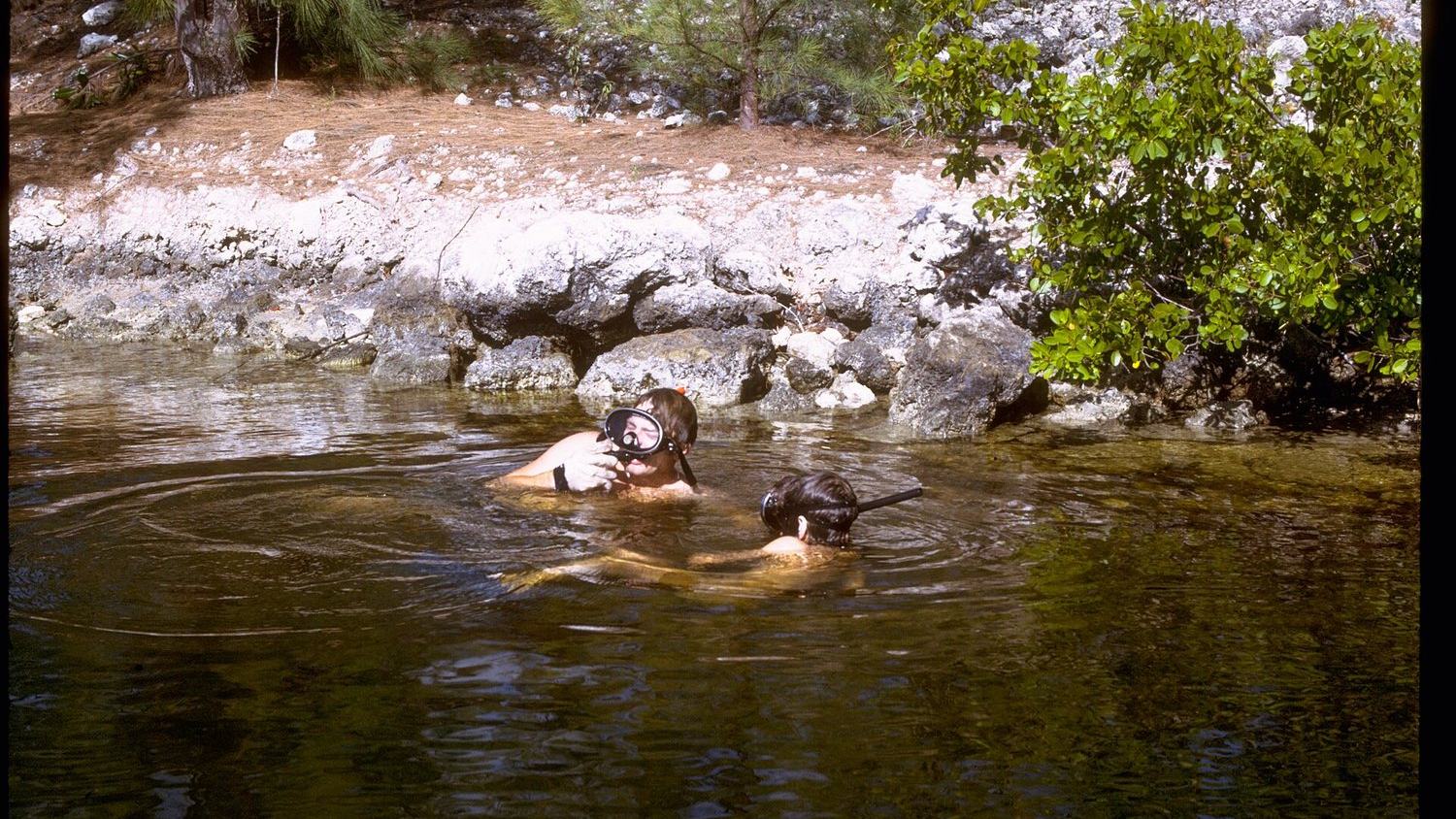
Biscayne National Park rewards careful small-boat cruising through shallow bay waters, island keys and fragile seagrass habitats near Miami.
A coastal national park built for water access
Biscayne National Park sits within sight of Miami yet feels very different once a small boat reaches the open water. The protected area combines shallow bay, mangrove edges, island keys and living reefs. The National Park Service describes private boating as an especially important way of visiting, with nearby county marinas offering access to park waters. For owners of small centre-console boats and modest coastal cruisers, this is an inviting place to plan a day rather than a long offshore expedition. The views can be spectacular, but the water is not uniformly deep or straightforward to navigate.
Boating through a national park adds responsibilities that a casual marina outing may not emphasise. Fragile seagrass grows where a propeller can reach it, and coral structures lie below apparently clear water. A route should be planned with up-to-date nautical charts and tide information rather than relying on the ability to see the bottom from the helm. The skipper's objective is to enjoy the area without leaving a mark on habitats that take years to recover.
Four marinas, but different starting decisions
The park's official boating introduction points to four nearby county marinas as access points. Choosing a ramp involves more than finding the closest road from Miami. Consider whether the facility accommodates your trailer and the boat's draught, whether parking is permitted for the day, and how readily the route reaches the intended part of the bay. A sheltered inland start might be convenient while still requiring a passage through channels busy with other recreational vessels. A small open boat benefits from the shortest safe route in suitable weather.
Confirm the marina's current hours, fees, launching arrangements and tide limitations before departure. Facilities can change management or impose temporary restrictions, especially around maintenance and public events. Prepare the boat in the staging area rather than blocking the ramp while passengers organise equipment. Check drain plugs, engine cooling, navigation gear and required safety equipment before the trailer enters the water. An orderly start leaves more time for the park and avoids the common temptation to make up lost minutes by travelling too fast in shallow channels.
Shallow water is the main hidden challenge
The National Park Service is explicit that much of Biscayne National Park's water is shallow. A bright turquoise area may conceal a seagrass meadow or reef, and a vessel that draws only a little water can still ground with serious consequences. Chart depths must be considered alongside tide, boat loading and changing bottom contours. Electronic chartplotters are useful tools but do not guarantee that every isolated shoal or submerged obstruction has been surveyed recently. A sounder provides valuable feedback but can register a hazard only when it is already beneath or near the vessel.
Study channel markers, preferred routes and the forecast before leaving shelter. In restricted visibility, slow down and be willing to stop. Polarised sunglasses can make variations in the water's colour easier to interpret, but visual cues are a supplement rather than a substitute for navigation. A leisurely small-boat visit should be designed around known navigable areas, not a series of shortcuts between scenic places. The freedom to explore is most enjoyable when the skipper is not repeatedly testing the hull against the seabed.
Seagrass damage can outlast the trip
Below the surface, seagrass beds provide habitat for young fish and other wildlife, help stabilise sediment and contribute to water clarity. The park warns that boat groundings and propeller scars can damage these meadows for years, or longer if recovery fails. A motor that churns through vegetation may also draw sediment into the cooling system, creating a mechanical problem in addition to an ecological one. Boaters should avoid crossing obvious flats with inadequate depth or using engine power to push through vegetation.
If a vessel runs aground, the park's guidance is to stop rather than powering off. Trim up the motor, assess whether the craft can be pushed or poled back along the route entered, and consider waiting for a safer tide. When commercial help is necessary, use the appropriate marine communications channel and give an accurate position. Pulling a grounded boat away with excessive throttle can enlarge the damage and worsen the difficulty. Responsible seamanship here means protecting both the crew and a living ecosystem.
Island visits have their own access rules
Boca Chita Key and Elliott Key are among the park's better-known boat-accessible islands, while Adams Key has different visitor hours. The National Park Service lists camping on Boca Chita and Elliott Keys, but current dock, camping and facility conditions must be checked before a private cruise is planned around an overnight stop. A tempting island seen from a distance may not have a landing suitable for a shallow-draught craft under the actual weather or tide. Do not assume that every shore can be used for beaching or anchoring.
A simple day itinerary can work without attempting to land on every key. Start with one realistic objective and a clear alternative if the dock is full or the approach is uncomfortable. If going ashore, carry drinking water, secure the boat properly and leave plenty of time to return. Treat marked habitat areas, wildlife and fellow visitors with care. A protected park can still require independent boating judgement, particularly when shelter is limited and a breeze develops across an otherwise beautiful bay.
Reefs belong on the itinerary, with limits
Beyond the bay, coral and reef areas can attract snorkellers and small-boat visitors, but conditions there differ from those inside protected shallow-water channels. Offshore exposure, wave height and current may make a reef stop inappropriate for a compact boat, especially if several people plan to enter the water. A crew should not interpret a tour photograph as evidence that an exposed reef is calm on the day of travel. Prepare a conservative plan that matches swimming ability, crew size, gear and the means of recovering someone from the water.
Where a mooring system is provided and its use is permitted, it may reduce the need to drop an anchor near sensitive habitat. Check the current park rules and the exact capacity of any mooring rather than assuming an empty buoy fits all vessels. Snorkelling parties should use a clear buddy system, identify a responsible person remaining aboard when appropriate and establish how they will signal for help. Wildlife encounters are best enjoyed without chasing, touching or blocking animals.
Know the park's clock, not just daylight
The park's published visiting information says navigable waters are open around the clock, but landside and island facilities can have specific opening hours. Adams Key, for example, is described as accessible from morning until official sunset, while the Convoy Point canoe and kayak launch has its own daily hours. Such distinctions matter because a skipper can be legally on the water while the planned destination or launch point is no longer available. Seasonal storms, maintenance or a temporary safety closure may alter the practical picture further.
Check the park's current operating conditions on the day of departure. If a shore stop depends on an admission, reservation or camping permission, settle that before leaving the mainland. Do not assume a safe route home will remain simple after dark simply because the waters themselves are not closed. A modest daytime visit is often the better choice for a family unfamiliar with the area. Allowing an early return is also a sensible response to the sudden showers and thunderstorms that can affect South Florida.
Wildlife deserves room and patience
Biscayne's seagrass, reef and mangrove environments support fish, sea turtles, manatees and many coastal birds. The pleasure of moving slowly through such an area is the chance to observe without disturbing. Reduce speed where animals or paddlers may appear and maintain a wide separation from wildlife. Do not chase a turtle to obtain a photograph or approach a manatee so closely that its movement changes. Even a quiet outboard can startle animals, and wake can affect other visitors in kayaks and smaller craft.
Shallow creeks and mangrove margins may be attractive to paddlers while remaining unsuitable for motorboats. Respect designated restrictions and keep a suitable lookout in areas where kayaks sit low against the background. Pack out rubbish, prevent bait and fishing line from entering the water and avoid anchoring through fragile vegetation. A visit can be both enjoyable and environmentally responsible when observation takes priority over getting physically close to everything seen.
Safety preparations before crossing the bay
A Biscayne day trip deserves coastal safety habits even when the route appears sheltered. Check forecasts for wind, thunderstorms and visibility; confirm tides, fuel range and the chosen channel; and make sure everyone has suitable lifejackets. Keep a communication plan that includes a properly maintained marine radio when appropriate, rather than depending entirely on a phone. Carry drinking water, sun protection and a way to deal with a simple engine failure without drifting into a reef or navigation channel.
Tell someone ashore where the boat is going and when it is expected back. If a passenger is snorkelling or swimming, account for propeller risk before anyone enters or returns to the craft. In an unfamiliar area, the skipper should be especially willing to abandon an intended destination as conditions change. The idea that a boat is 'only' visiting a bay should never obscure the combination of tidal flats, exposed passages and concentrated recreation. Successful coastal boating is measured by the safe return.
A small-boat visit worth planning carefully
Biscayne National Park provides an unusually rich landscape for a leisure boat: emerald water, islands, visible wildlife and a coastline that can feel remote despite its proximity to a major city. The official park guidance gives a clear lesson about how best to enjoy it. Plan with charts and tides, choose an appropriate marina, stay within safe navigable water and protect the seagrass and coral below. A relatively short and well-chosen route is more rewarding than an ambitious crossing driven by a list of photographs.
For a first visit, select one protected area and one possible island or wildlife-viewing objective, with an easy option to turn back. Confirm island access and current park alerts before leaving the dock. Save the longer reef excursion for a separate day when weather, crew and equipment make it sensible. The beauty of Biscayne lies partly in the fact that careful boating preserves what later visitors will come to see. That makes slow, attentive exploration the right leisure-boat style for this remarkable park.
Sources: US National Park Service boating guide, park grounding guidance and park operating hours. Photograph: Biscayne National Park image from the National Park Service Digital Image Archives, Wikimedia Commons, public domain, resized for presentation.
