
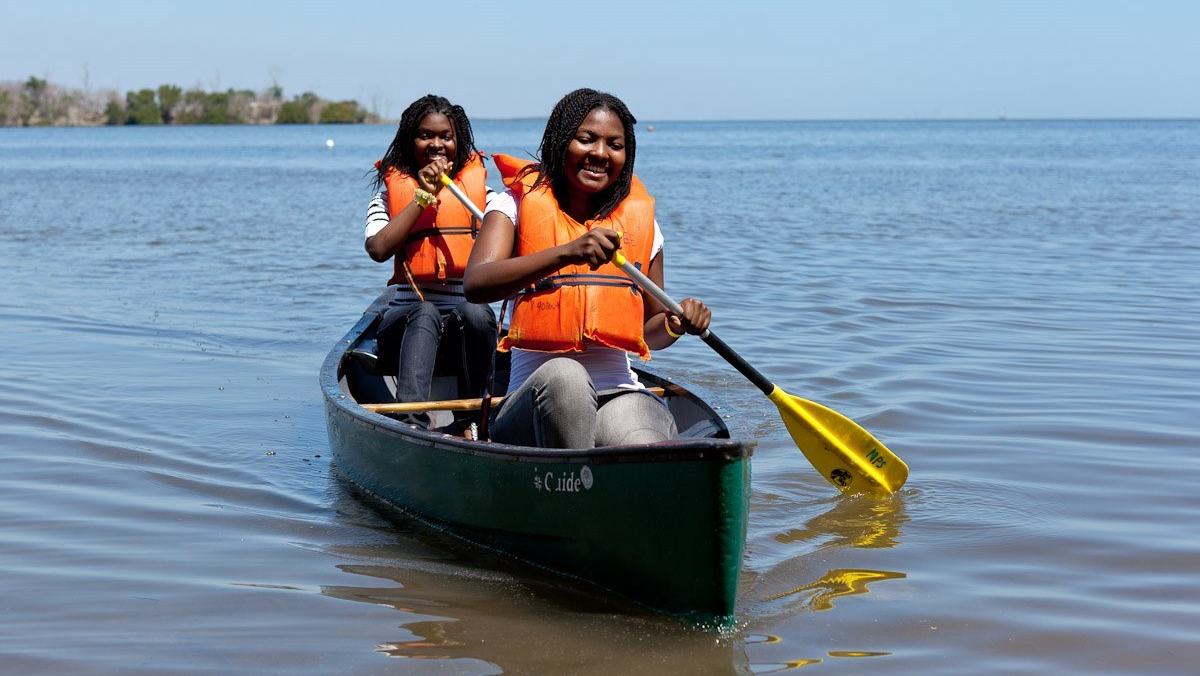
South of Miami, Biscayne National Park offers a distinctive canoe and kayak holiday among mangroves and shallow bay waters, with guided options for newcomers.
The attraction of a national park built around water
Biscayne National Park offers an unusual change of pace from the roads and resort districts of greater Miami. The scenery is defined by open bay water, mangrove-fringed coastline and small islands rather than mountain viewpoints or trails through a forest. For someone who enjoys simple boats, a canoe or kayak can provide a close-up introduction to that landscape, moving at a speed that makes the shapes of the shoreline and changes in water colour easy to appreciate.
The US National Park Service recommends paddling as a way of exploring the park's sheltered edges and shallows. The appeal is not a promise of complete solitude, because wind, other boat traffic and organised tours may all affect the experience. It lies in the ability to travel quietly where a larger powerboat would have little reason, or in some places little water, to operate.
Begin with the visitor centre and an easy route
The Dante Fascell Visitor Center near Homestead is a practical starting point for understanding the park's access arrangements. Visitors can ask about current water conditions, the areas open to paddling and any closures that may influence a planned journey. A first-time guest may be happier with a relatively short exploration of nearby shorelines than an ambitious crossing of the bay.
The park's official paddling information identifies guided kayak experiences with the Biscayne National Park Institute and seasonal ranger-led canoe clinics. These provide different levels of support for visitors without their own equipment or local knowledge. Tour availability changes during the year, so travellers should confirm current dates, prices and requirements before driving to the launch.
Mangrove habitats reward patient observation
Mangroves create a recognisable outline along sections of the shore, with roots and shallow water forming important habitat for fish and invertebrates. A slow paddle can reveal how birds use branches and sheltered creeks, while the visibility of fish changes with the light and clarity of the water. The environment is best enjoyed without approaching wildlife too closely or pushing a hull through sensitive vegetation.
A canoe's modest draft may make certain areas accessible, but that does not mean every shallow channel is safe or permitted. Paddlers should protect seagrass beds, avoid disturbing birds and follow any mapped restrictions. The absence of an engine is no excuse to scrape the bottom through vegetation or land on a sensitive shore to take photographs.
The islands call for a different level of preparation
More experienced paddlers may be tempted by the islands lying beyond the bay. The Park Service describes a crossing of approximately seven miles to Elliott or Boca Chita Keys, with Adams Key serving as another base for exploration farther south. That distance should not be read as an everyday beginner's route; weather and exposure make a bay crossing substantially different from a paddle close to shore.
Open water can develop challenging chop when the wind rises, and visibility or boat traffic can complicate navigation. A paddler considering a crossing needs appropriate skills, equipment, navigation information and a conservative weather window. Travelling with experienced companions or an authorised guide may be a wiser choice than attempting a long independent journey on the first visit.
A small boat changes the rhythm of a holiday
A paddling holiday can work well as a single carefully planned day within a longer stay in South Florida. There is no need to turn it into a demanding expedition to justify the effort. Guests might spend a morning exploring an authorised route, return for lunch and learn about the protected reef and mangrove ecosystems through the visitor centre's educational material.
That pace leaves time to appreciate the boat itself as part of the experience. Handling a paddle, keeping a steady rhythm and adjusting the course around shallow features create a kind of involvement that passengers on a large tour boat may not experience. The simpler craft becomes a way of understanding a place, not merely a means of travelling through it.
Understanding the weather and season
Florida's mild winter weather can make Biscayne an attractive destination outside the peak summer heat, but seasonal wind and passing weather systems still need consideration. A pleasant air temperature can disguise an exposed route with difficult paddling conditions. The skipper should study the marine forecast, local tide information and any park warnings before leaving the launch.
Sun protection and drinking water remain important in every season. A broad hat, appropriate clothing and personal flotation equipment should be available and used according to the rules and conditions. Paddlers should also carry a reliable way to communicate and know where the launch lies if a planned route needs to be shortened.
Leave a clear float plan ashore
The Park Service explicitly recommends telling someone where a paddling group intends to go, who is involved and when they expect to return. A basic float plan creates a useful reference if the group is delayed. It should include the intended launch point, approximate route and a sensible time to raise concern, rather than merely saying the group is spending the day at Biscayne.
Mobile phone coverage and battery life should not be taken for granted in a wet, exposed environment. Devices need appropriate protection, and the group should understand what to do if a paddle or other equipment is lost. A short journey planned with care is more satisfying than an outing that relies on someone else to solve preventable problems.
Respect the landscape as an invited visitor
The park's coral reefs, seagrass and mangrove habitats are central to why the area is protected. Boaters contribute to that protection by avoiding wildlife disturbance, keeping rubbish secure and using permitted routes. Paddlers who wish to combine their outing with island exploration should check the current access rules rather than assume a quiet beach is open for landing.
Biscayne demonstrates how a modest canoe or kayak can add depth to a warm-weather holiday without requiring a large vessel. The official NPS paddling page is the best starting point for routes and visitor programmes, while an experienced local operator can assist with the details. An unhurried passage along the mangroves may prove more memorable than covering the greatest possible distance.