
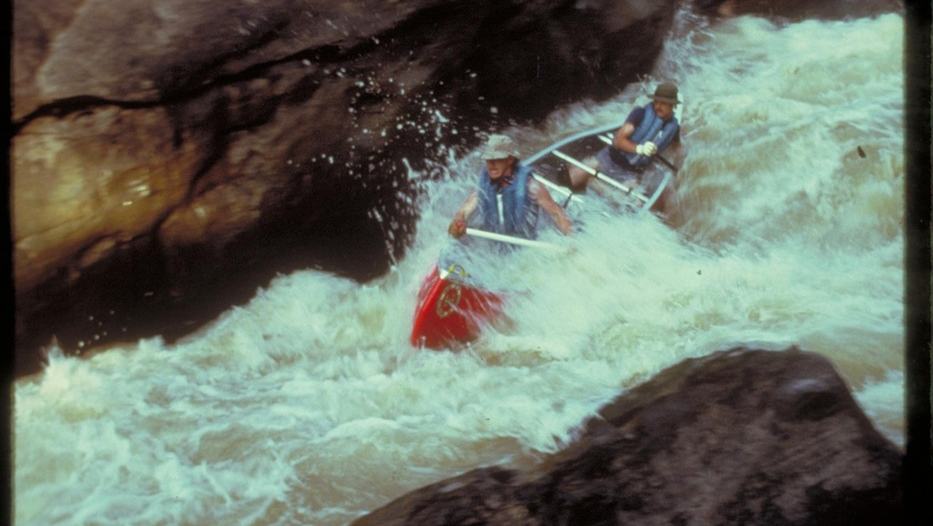
The Big South Fork National River and Recreation Area offers whitewater kayaking and canoeing amid steep wooded gorges, but river levels and difficult rapids require careful planning.
A rugged river rather than a gentle park float
The Big South Fork of the Cumberland River passes through dramatic terrain on the Kentucky and Tennessee border. Its gorge and tributaries attract paddlers who want moving water, remote scenery and technical challenges. Unlike a quiet lake or sheltered estuary, much of this environment requires experience in reading currents and understanding the consequences of mistakes.
The National Park Service identifies opportunities along the Big South Fork, Clear Fork, North White Oak and New River. Some stretches may suit developing paddlers, while others are appropriate only for highly skilled crews with the right craft and safety equipment. Visitors should make that distinction before travelling, not after reaching a difficult rapid.
The same river behaves differently after rain
Water levels strongly influence the character of whitewater. At one flow a section may contain shallow rocks and demanding steering, while higher water can produce powerful waves, holes and currents that overwhelm an inexperienced crew. Rainfall upstream may change conditions even when the sky looks clear at the launch site.
The park publishes guidance on river levels, gauges and run descriptions. These should be checked close to departure because a report from several days earlier may no longer describe the actual conditions. A fixed itinerary is less important than selecting a route that matches both the day's water and the party's abilities.
Understanding whitewater difficulty ratings
River descriptions often use grades or classes to communicate the technical difficulty of a section. That shorthand is useful for comparing routes, but it should not be treated as a promise of identical conditions on every visit. Features may change as debris moves, riverbanks erode and flow increases or decreases.
Advanced rapids can combine strong hydraulic forces with limited opportunities to stop or recover between drops. The most important skill is recognising when a section exceeds the team's competence. Paddlers should seek local instruction and avoid deciding to attempt a run merely because another group appears comfortable.
Remote scenery creates access challenges
One attraction of Big South Fork is the feeling of wilderness despite its accessibility by road. Gorges, cliffs and forests can make an outing memorable, but they can also restrict the places where a paddler can leave the river. A problem that would be simple beside a town may become difficult in a steep valley.
Before launching, identify road access, take-outs and any emergency routes described by the park. The group should know where it is going and how it will communicate if a member is injured or a boat is damaged. A mobile phone may not provide reliable contact in remote terrain.
Choosing the proper boat and equipment
Whitewater kayaks, suitable rafts and correctly outfitted canoes serve different purposes. A boat designed for calm recreational use may not be appropriate for a rapid involving rocks and powerful hydraulic features. Helmets, personal flotation devices and other protective equipment should be chosen for the particular activity and fitted correctly.
Good equipment cannot substitute for training. People need to understand how their boat responds when struck by a sideways current and what happens during an unintended swim. A competent instructor or qualified local operator can help paddlers learn these skills in progressively more demanding conditions.
Why fallen timber requires serious attention
A tree or branch trapped in the current can act as a strainer, allowing water through while holding a boat or person against it. These hazards are particularly dangerous because the flow does not stop when the paddler does. They may be difficult to recognise until a group has entered the bend or rapid.
Paddlers should scan downstream and plan a safe line early. If a feature looks uncertain, stopping in a suitable place to inspect it can be wiser than committing immediately. A person should not attempt a risky recovery simply to save loose equipment. Maintaining the safety of the crew always takes priority.
Group decisions have to remain clear
Technical paddling works best when participants agree on their route, communication signals and the circumstances that would lead them to stop. The group should remain aware of every boat rather than letting the fastest paddlers disappear ahead. A leader needs to consider the least experienced member when choosing the next section.
People may experience fear or fatigue differently, and neither should be dismissed as a minor inconvenience. A crew that is physically capable of one rapid may still be unprepared for several hours of sustained concentration. Regular discussions about conditions help prevent group pressure from turning an optional adventure into an avoidable emergency.
Seasonal access deserves a fresh check
Some streams within the recreation area can be paddled at various times of year, while others need sufficient seasonal rainfall. That difference affects visitors arranging holidays or travelling with their own boats. River conditions should take precedence over reservations and the inconvenience of changing plans.
The National Park Service directs visitors to current river information and its visitor centres for advice. Outfitters may also be familiar with local conditions and appropriate sections, but any commercial booking should be evaluated against the team's actual capabilities. A postponed trip is preferable to entering water that has become unsafe.
Leave the landscape undisturbed
A whitewater journey can bring paddlers close to cliffs, wildlife habitats and stretches of river that see relatively few visitors. Respecting those places includes using permitted access points, carrying waste out and avoiding unnecessary disturbance on the banks. The setting is part of the park's protected character, not simply a sporting venue.
Visitors should also be aware that the landscape contains evidence of earlier agricultural, logging and mining activity. The park's interpretation helps explain that history alongside the natural scenery. A responsible trip allows time to appreciate the surroundings while ensuring that the group remains attentive to the immediate boating environment.
Experience should guide the itinerary
Big South Fork rewards paddlers who prepare thoroughly and know when to change their plans. For experienced crews it offers challenging water in a spectacular setting; for beginners, an organised introduction on a suitable easier section may be a more appropriate starting point. The same destination does not have to mean the same run for every visitor.
Before departure, consult the park's whitewater paddling guidance, river gauges, run descriptions and current notices. Local qualified instruction can provide essential context for changing conditions and equipment selection. The best result is not conquering the most difficult rapid, but returning safely with the judgement and enthusiasm to paddle again.
Source
US National Park Service