
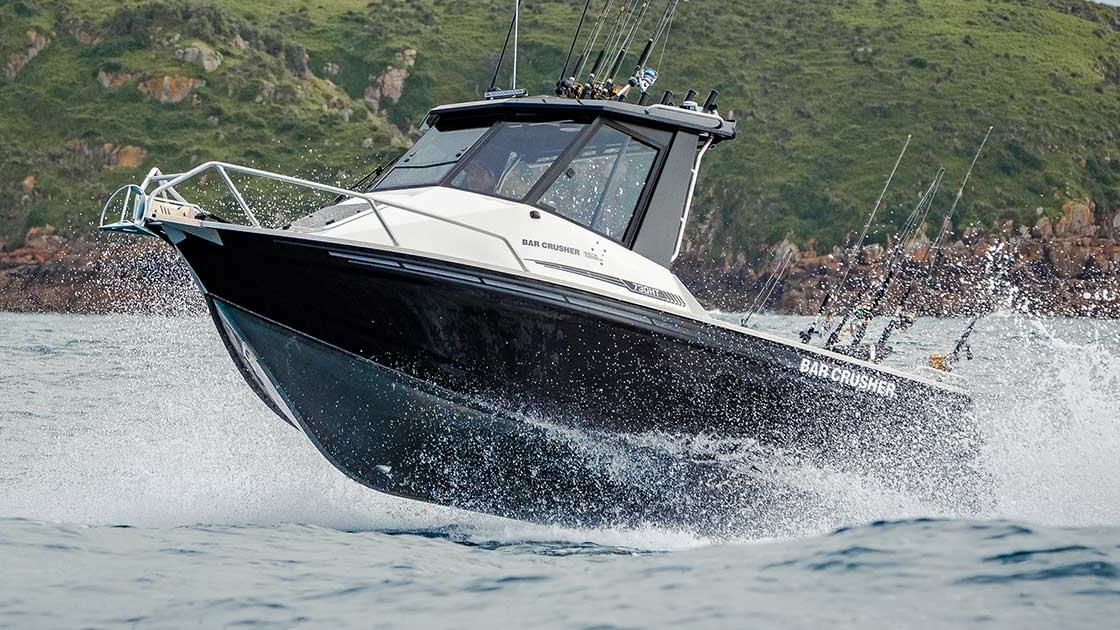
Fishing from a small boat works best when the deck is uncluttered, the tackle is simple and the skipper gives as much attention to boat handling as fishing.
Small boats can be excellent fishing platforms because they are easy to position, economical to run and able to reach shallow or confined water. The challenge is that every rod, tackle box, cooler and loose line competes for limited deck space, so organisation matters from the moment the boat leaves the ramp.
Beginners do not need a boat full of specialist equipment to get started. A modest selection of tackle matched to local species, a landing net, basic tools and a sensible way to store the catch are more useful than carrying every lure and rod you own.
Keep the working deck clear
Store bags, spare rods and personal gear where they cannot become trip hazards or block access to safety equipment. Hooks, knives and weights should have secure places of their own so they are not loose when the boat moves unexpectedly.
Think about where people will stand before lines go in the water. A clear plan reduces crossed lines and also helps the skipper maintain visibility and control while other people are concentrating on fishing.
Boat handling is part of fishing
Wind, tide and current determine how the boat drifts across a mark, so learning to control speed and direction can improve fishing as much as changing tackle. In some locations a controlled drift is ideal, while in others anchoring or holding position with a motor is more practical.
Never let the desire to stay over fish override a worsening sea state, reducing visibility or the limits of the boat. A productive mark can be revisited, but conditions can change faster than expected when attention is focused on rods rather than the horizon.
Make fish handling part of the plan
If fish are being kept, decide in advance how they will be dispatched, cooled and stored hygienically. If they are being released, have suitable tools ready so handling time can be kept short and the fish can return to the water in good condition.
Local fishing rules, seasons, size limits and protected areas should be checked before departure because they vary widely. Good small-boat fishing combines practical seamanship with respect for the fishery, other water users and the environment being enjoyed.