
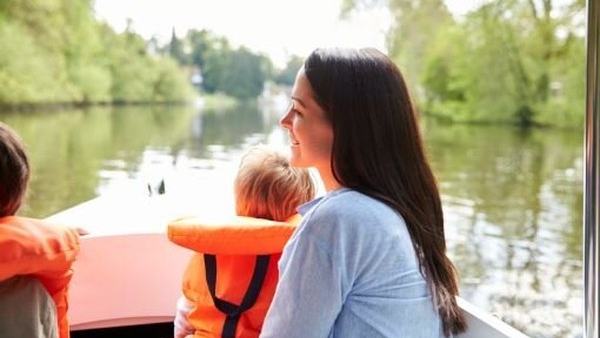
Bringing a baby aboard calls for more planning than an ordinary family boat ride, especially around flotation-equipment fit, shelter and a calm route.
An outing planned around the youngest passenger
Introducing a baby to boating is a personal family decision that requires more than choosing a quiet morning. Infants have different needs from older children, particularly when it comes to flotation-equipment fit, safe holding and the ability to remain comfortable in changing conditions. Discover Boating's family guidance encourages parents to evaluate those questions before planning even a short trip.
The first outing should take place only when suitable protective equipment is available and the intended vessel can accommodate the infant safely. A sheltered, familiar waterway and a short route are more manageable than a long cruise that cannot be shortened. Parents should also consider whether postponing the trip until the child is older would provide a safer and more enjoyable experience.
Flotation equipment must fit properly
A baby needs a properly fitting life jacket appropriate to the child's size and applicable local rules, with sufficient support for the head and a secure fit that will not allow the wearer to slip out. Standard children's flotation gear may be unsuitable for very small infants. Parents should consult manufacturer ratings, recognised safety guidance and the relevant boating authority before taking a baby afloat.
A jacket should be tested for correct fit on land according to its instructions. It is not safe to rely on an adult holding a child instead of suitable flotation equipment. If no approved jacket fits the baby correctly, the trip should not proceed; there is no responsible substitute involving an oversized vest or improvised restraints.
Select a boat with a protected passenger area
A broad, stable cockpit with a sheltered seating area may suit a family better than an exposed open craft that takes frequent spray. The designated caregiver needs somewhere to sit securely while paying full attention to the child, without interfering with the skipper. A baby should never be placed on a swim platform, narrow deck or near an open edge.
A car seat or stroller does not automatically become a safe marine restraint, and any arrangement needs to respect the boat manufacturer's guidance. The boat's normal motion, wake from passing craft and an unexpected manoeuvre can cause unsecured objects to move suddenly. Parents should avoid leaving the child unattended even for a moment.
Weather and basic supplies determine comfort
Infants may become uncomfortable when exposed to wind, bright sun, cold or heat for a prolonged period. A trip early in the day on calm water may be more practical than an outing in afternoon chop, but the weather forecast must govern the decision. Appropriate shade, drinking or feeding supplies and a means of keeping the child comfortable are essential.
A family should pack necessary changes of clothing and supplies in a secure, dry bag, without filling the cockpit with loose equipment. The skipper also needs a straightforward route back to shore if the baby becomes distressed or conditions worsen. A ten-minute cruise that ends pleasantly can be a better introduction than an ambitious outing that pushes everybody's limits.
Keep the crew's responsibilities clear
One adult should be responsible for operating the boat and maintaining a lookout, while another capable caregiver focuses on the infant. Trying to do both jobs at once creates avoidable distraction at the helm. The crew should discuss what to do if the boat must stop unexpectedly and where each person will remain seated during docking.
This sort of outing is not about proving that an infant can share every adult boating activity. It is about deciding whether the journey is appropriate, preparing carefully and keeping expectations modest. Families should seek advice from appropriate boating safety organisations when uncertain and be willing to stay ashore if the equipment, crew or conditions are not suitable.