
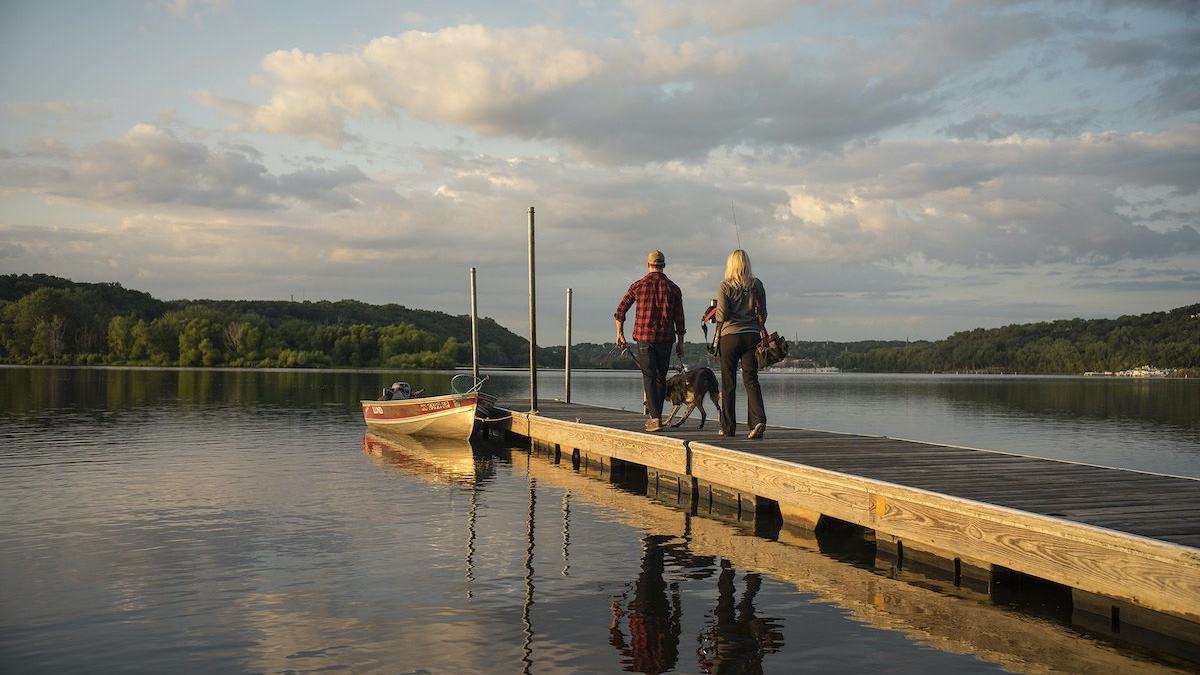
Fall fishing can be rewarding as baitfish shift and predators change their feeding areas, but cooler weather demands a different approach to small-boat outings.
A familiar lake can change markedly in October
The arrival of cooler water often changes where fish feed, making autumn a rewarding period for small-boat anglers who are willing to reconsider their summer habits. Discover Boating's fall fishing advice highlights the movement of baitfish as a key factor, because predators frequently follow the food supply toward different depths or parts of the waterway. The result can be productive fishing in areas that seemed quiet only weeks earlier.
A small boat gives anglers flexibility to explore sheltered bays, river mouths and other promising locations without the demands of a large vessel. That advantage is greatest when the skipper knows the water and plans a route that can be shortened if conditions worsen. Cooler air alone is not a reason to abandon boating, but it does change the safety margin.
Follow baitfish and seasonal movement
In coastal estuaries, young mullet and other baitfish may gather near inlets or move from creeks into the main channel. On reservoirs, shad can shift away from the shallow tributaries toward more stable water temperatures. These patterns vary with geography and species, so a general tip should be treated as an observation to test rather than a guaranteed route to a catch.
Anglers can look for surface disturbance, feeding birds or activity on appropriately used sonar, while respecting fishing restrictions and protected habitats. Concentrating on a small number of productive areas may be more efficient than travelling long distances. The best plan balances the search for fish with the fuel and daylight needed for an unhurried return.
Changes in vegetation affect fish behaviour
As autumn arrives, weedbeds may decline or become patchy, concentrating prey around the remaining vegetation. Fish can use the edges of those beds as cover or hunting areas, while nearby channels and changes in depth provide alternate routes. A boat that can manoeuvre quietly near such features may allow careful presentations without damaging the vegetation itself.
A lure choice should follow the conditions rather than habit. Fish activity, water clarity and the type of structure can influence whether a subtle soft plastic, a faster lure or live bait is appropriate. Local rules govern allowable methods and harvest limits, and an angler should check them before travelling to a different state, river or lake.
Understand the effects of lake turnover
In some lakes, cooling surface water sinks and mixes with deeper layers, reducing the temperature and oxygen differences that built up during summer. This process, commonly called turnover, can redistribute fish and suspended particles and make familiar fishing spots less reliable. Some predators may hold near transition areas where they can move between shallow and deeper water.
Turnover does not occur identically on every waterbody, and its timing depends on depth, climate and local conditions. Owners should avoid assuming that a single temperature measurement tells the whole story. Notes on water clarity, wind direction and the places where fish were previously found can help build a more accurate picture of the day's opportunities.
Cold-water preparation is part of the outing
Autumn often means fewer boats on the water, which can be pleasant but also makes quick assistance less certain. The crew should dress for immersion risk, not simply the air temperature, and carry suitable personal flotation devices and emergency communication equipment. A stable, uncluttered cockpit is particularly important when handling rods and fish in gloves or bulky jackets.
Shorter days mean checking sunset times and allowing plenty of time to retrieve a trailered boat. A thermos, dry spare layers and a clear plan for ending the trip can make the outing more comfortable. The best fall fishing day is remembered for the experience and possibly a good catch, not for an avoidable struggle to reach the ramp in darkness.