
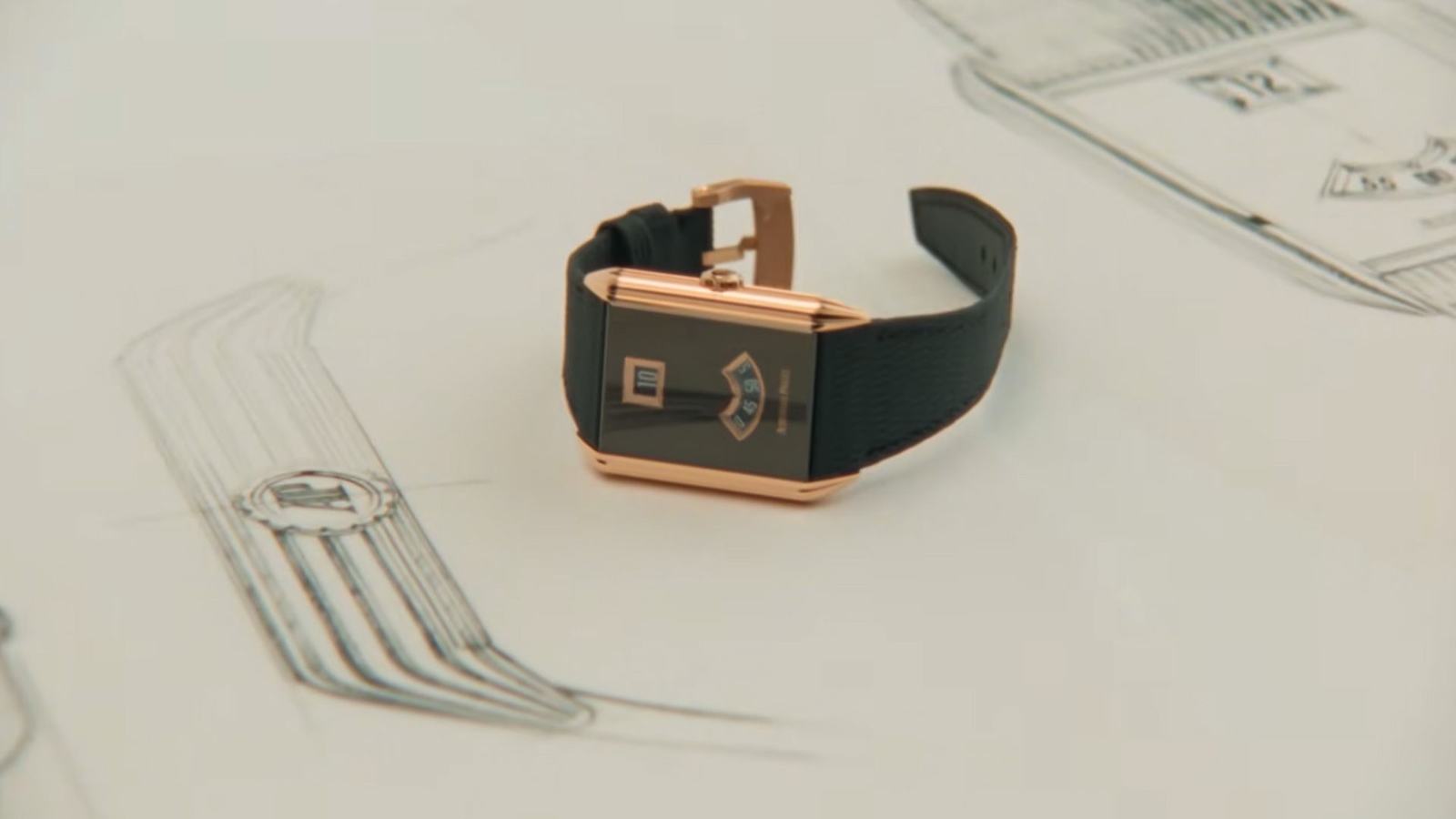
Audemars Piguet has introduced the Neo Frame Jumping Hour, combining Art Deco styling with its first selfwinding movement using the unusual display.
Audemars Piguet has introduced the Neo Frame Jumping Hour, combining Art Deco styling with its first selfwinding movement using the unusual display. Instead of a conventional hour hand, a numeral changes instantly as each hour begins.
The format is a reminder that travel accessories can be interesting for reasons other than ruggedness. A mechanical watch can mark a city weekend or evening ashore even if a simpler watch is better for the wet part of the trip.
The hour appears through a window
Jumping-hour watches show the hour as a digit, while minutes are displayed separately. The approach creates a clean face and a small piece of theatre each time the mechanism changes.
Audemars Piguet says the new calibre is selfwinding and provides a 52-hour reserve. Owners should follow the manufacturer's setting instructions rather than treating the unusual display like a digital watch.
Art Deco cues shape the case
The rectangular proportions refer to early twentieth-century design while the movement and construction are modern. That contrast makes the watch relevant to people interested in architecture and industrial design as much as horology.
Trying the case on the wrist matters because unusual proportions can wear differently from a round watch. Photographs do not show comfort or scale accurately.
Ashore is the safer place for delicate watchmaking
Fine mechanical watches should not be assumed suitable for swimming, line handling or paddle sports unless their exact rating supports it. Salt and impact are avoidable risks.
Audemars Piguet's official collection information and imagery are the source for this feature. LBG presents it as style and craft rather than marine kit.
Source
Official source