
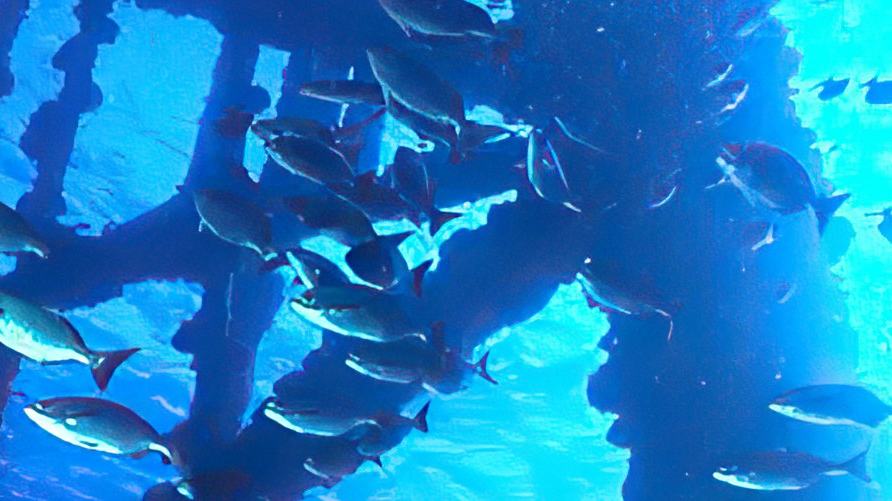
Yamaha Blue Life looks at how artificial reefs can support marine habitat and create productive fishing grounds for recreational boaters.
The idea
Fish often gather around structure because it offers shelter, feeding opportunities and changes in current. Artificial reefs are designed to create some of those features where the seabed is otherwise relatively plain.
Reef materials must be carefully selected and placed under proper programmes. Dumping unsuitable material is pollution, not habitat creation.
Planning it well
For anglers, reef coordinates provide an obvious starting point but not a guarantee of fish. Tide, season, bait and fishing pressure still influence the result.
Good boat positioning is important because wind and current can move a small boat across reef structure quickly. Drifts should be planned with other boats in mind.
Small details that matter
Reefs can also reduce pressure on natural structures by spreading fishing activity. Their ecological value depends on design, placement and long-term management.
Responsible anglers should follow local rules on anchoring, catch limits and protected species. A productive reef remains useful only when the wider fishery is managed well.
Why it works for LBG
For LBG readers, artificial reefs combine conservation and accessible fishing. They give modest boats defined destinations that can often be reached on day trips.
The most useful perspective is to treat the reef as habitat first and a fishing mark second. Healthy structure benefits far more than the anglers visiting it.
Source
Yamaha Blue Life