
A carefully sourced guide to California's Anacapa Island for private-boat visitors, including Landing Cove access, lighthouse history, scenic trails, marine reserve restrictions and practical safety considerations.
An island that changes the pace of a California boat trip
Anacapa Island lies offshore from Southern California, yet a landing here feels far removed from a busy mainland marina. Its steep volcanic cliffs, coastal bird habitat and historic lighthouse make it a memorable destination for boaters exploring Channel Islands National Park, provided the trip is planned around conditions rather than an inflexible arrival time.
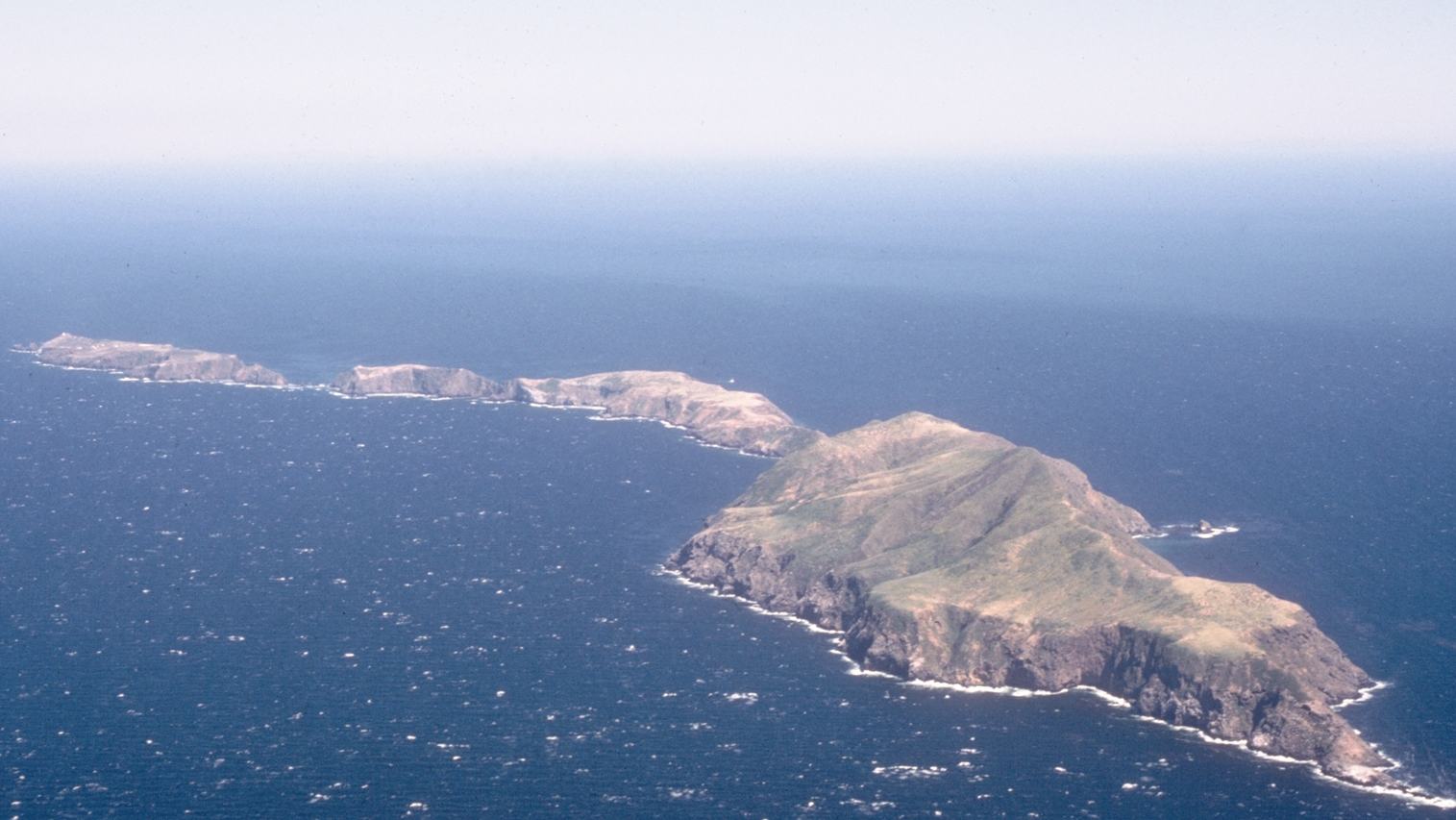
Anacapa is one of the park's five islands and consists of distinct eastern, middle and western sections. The visitor experience concentrates on East Anacapa, where Landing Cove offers access to a short network of paths and some remarkably expansive coastal views, while other areas have restrictions intended to protect sensitive wildlife.
First consider the crossing and whether to land
Private boating is permitted in Channel Islands National Park, but the National Park Service warns that conditions can change quickly, with strong winds, swells, currents and fog posing genuine navigation risks. The agency specifically says these waters are not appropriate for novices without the proper training, equipment and experience, which is a more useful starting point than any picturesque photograph of the cliffs.
Park guidance describes a general pattern of mornings being calmer and afternoon winds strengthening, while making clear that it is not a guarantee. It also warns of easterly Santa Ana conditions at certain times of year, and of fog that can occur even in otherwise attractive weather, so a prudent skipper should be prepared to alter or abandon the visit.
There are no public moorings or guaranteed all-weather anchorages around the islands, according to the park. Anacapa's East Landing Cove moorings are reserved for the National Park Service, Coast Guard and authorised concessionaire, meaning private boaters should not expect to pick one up simply because it appears unoccupied.
The unusual landing at East Anacapa
A visitor arriving by boat at East Anacapa's Landing Cove does not step onto a conventional marina pontoon. The park describes an unloading dock beneath the cliffs, reached by transferring from a vessel to a ladder before climbing a long stairway of roughly 150 steps to the plateau above.
The landing arrangement is an important accessibility consideration because the ladder exposure changes with the tide and there is no lift to the top. Anyone concerned about balance, mobility, carrying children or moving camera equipment should review the park's accessibility guidance and the day's conditions before assuming the transfer will be straightforward.
For private boats, the dock is an unloading point rather than a place to remain tied up, and park guidance advises keeping a person aboard while others explore ashore. The recommendation reflects the exposed nature of the landing and the need for someone to manage the vessel if conditions change while visitors are on the island.
A compact walking route with big horizons
After the stair climb, East Anacapa becomes comparatively gentle underfoot, although its paths cross open terrain with cliffs and limited shelter. The National Park Service describes around two miles of trails laid out in a figure-eight pattern, connecting viewpoints and the lighthouse area without requiring a long-distance hike.
The historic light station is especially compelling because it speaks directly to the challenge of navigating these waters. The park's landing history dates major lighthouse construction to 1933, and the visitor centre exhibits the original Fresnel lens, giving a useful link between the coastline visitors see and the maritime technology developed to warn passing vessels.
For photographers, the island's geological forms offer a rich sequence of viewpoints rather than a single photo stop. The famous arch, surrounding cliffs and changes in coastal light deserve time, but visitors must remain on established trails both for personal safety and to protect fragile plants and seabird nesting areas.
What the marine reserve means for activities
The waters around Anacapa support marine life and are a draw for experienced snorkellers, divers and kayakers. The park identifies Landing Cove and nearby coastal features such as Arch Rock and Cathedral Cove as rewarding areas to explore, but it also stresses that there are no lifeguards on the island.
This is not a setting in which a casual paddling excursion should be improvised after arrival. Sea caves, exposed shorelines and changes in swell can make conditions demanding, so visitors who intend to kayak need relevant experience, an appropriate craft and safety equipment, a partner or guided option where suitable, and an informed decision about whether conditions allow the activity.
Fishing restrictions are another essential part of planning. The National Park Service says fishing is prohibited within the marine reserve on Anacapa's north side, including Landing Cove, so an angler cannot assume that an attractive sheltered area is legally open to casting.
The park also limits access across the island group: East Anacapa has public landing opportunities without a general landing permit, while Middle Anacapa requires a permit and ranger accompaniment, and most of West Anacapa is closed to visitors as a protected research natural area. Boaters should check the latest official rules for any exceptional locations and seasonal access rather than treating every cove as a landing beach.
Bring everything needed for a self-contained day
Anacapa provides no restaurants, retail services, accommodation or drinking-water supply for day visitors, so people coming ashore need to carry their own water, food and other essentials. A small visitor centre occupies a historic Coast Guard building, but it should be regarded as a place to learn about the island rather than a source of supplies.
Picnic areas and a small primitive campsite exist, subject to the park's booking and access arrangements. Day visitors need to allow for the effort of taking equipment up and down the landing stairs, and overnight visitors should check camping reservations, weather, food storage and water requirements well before departure.
Reliable mobile coverage should not be assumed, and the park advises downloading its official information before leaving the mainland. A written plan, proper marine communications and an alternative destination are more valuable than depending on a phone for last-minute answers to every question.
Why a careful visit is more rewarding
The most appealing feature of Anacapa is how much natural and maritime history fits into a relatively short shore visit. An arriving boater can see the difficult landing constructed for lighthouse operations, walk above seabird habitat and look out over the waters through which countless vessels have passed.
Respecting that setting is part of the experience. Staying on marked paths, avoiding wildlife disturbance, taking everything back to the boat and observing marine protected-area rules preserve the island's character for the next visitor while reducing the chance that a trip ends with preventable trouble.
Planning guidance in this article is drawn from the National Park Service's Anacapa activities page, its private-boating and landing instructions and its accessibility information. Conditions, closures and regulations can change, so boaters should confirm the latest park notices and appropriate official marine forecasts before a journey.