
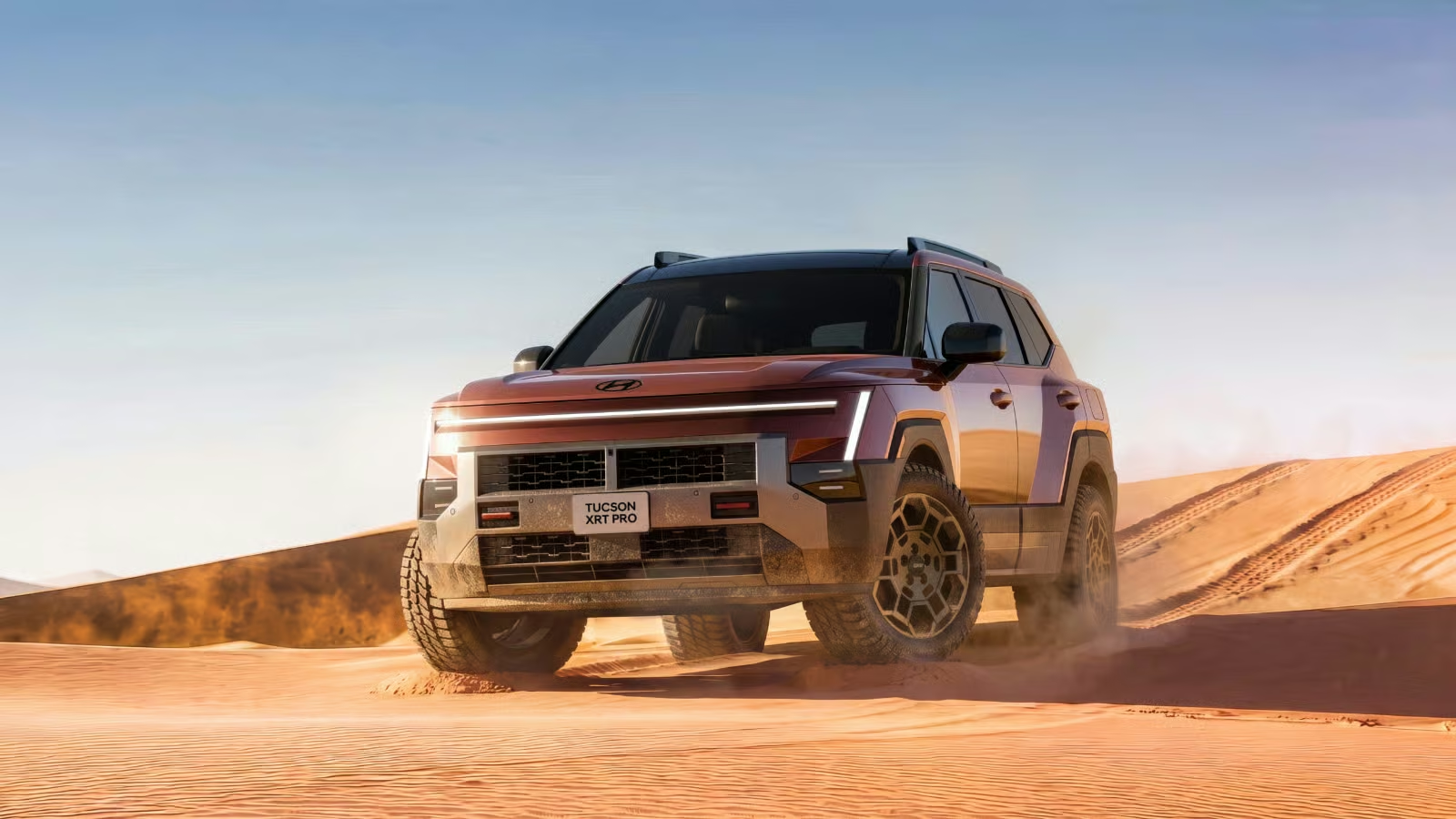
Hyundai has unveiled a new-generation Tucson with a roomier cabin, updated hybrid power, next-generation infotainment and a more adventurous XRT PRO variant.
Hyundai has unveiled the all-new Tucson, giving one of its most familiar family SUVs a more practical cabin, updated hybrid technology and a new digital interface. The redesign matters to leisure users because the Tucson has long sat in the useful middle ground between a compact daily car and the larger SUVs often chosen for family holidays, outdoor equipment and weekends away.
A roomier cabin puts everyday usefulness first
Hyundai says the new Tucson has been designed around a more spacious and flexible interior, with improved storage and controls intended to be easier to use on the move. The dashboard adopts the company’s latest digital layout while retaining physical functions where drivers need quick access.
For families heading to the coast, a marina or a camping weekend, that practical approach can matter more than headline performance. Bags, jackets, charging cables and sports gear quickly fill an SUV, so good storage and a cabin that remains easy to operate under real-world use are meaningful improvements.
The next hybrid system targets up to 42 mpg
The next-generation hybrid system is being introduced with a target of up to 42 mpg, combining petrol power with stronger electrical assistance and more intelligent energy management. Hyundai is positioning efficiency as part of normal driving rather than something that requires the owner to change how the vehicle is used.
That makes the hybrid version potentially attractive to drivers covering a mixture of short local journeys and longer weekend distances. The benefit is not simply lower fuel use on paper; fewer fuel stops and quieter low-speed running can make long family trips less tiring.
Pleos Connect brings a new digital layer
The new Pleos Connect infotainment system introduces Hyundai’s latest user interface, app marketplace and Gleo AI functions. The company says the platform is designed to evolve through software rather than remain fixed at the specification delivered on day one.
Navigation, media and connected services are now central to how many owners use a family car, especially on longer trips. A system that can improve over time is useful provided the core functions remain easy to reach and the driver is not forced to work through unnecessary menus for basic tasks.
XRT PRO adds a more adventurous option
Alongside the standard Tucson, Hyundai has introduced an XRT PRO version with Smart Terrain Assist and additional off-road technology. It is aimed at drivers who spend more time on unsealed roads, campsites and outdoor destinations rather than simply wanting a more rugged visual package.
That does not turn the Tucson into a specialist off-roader, but it broadens the model’s leisure appeal. For owners who combine everyday commuting with cycling, paddling, walking or boating weekends, the ability to deal confidently with rougher access roads can be more relevant than extreme off-road capability.
Official sources: www.hyundai.com.
Source
www.hyundai.com