
The only authorised ferry to Alcatraz leaves San Francisco's Pier 33. This practical guide compares day and evening options, explains the included cellhouse tour and covers the return journey.
The bay crossing is part of the visit
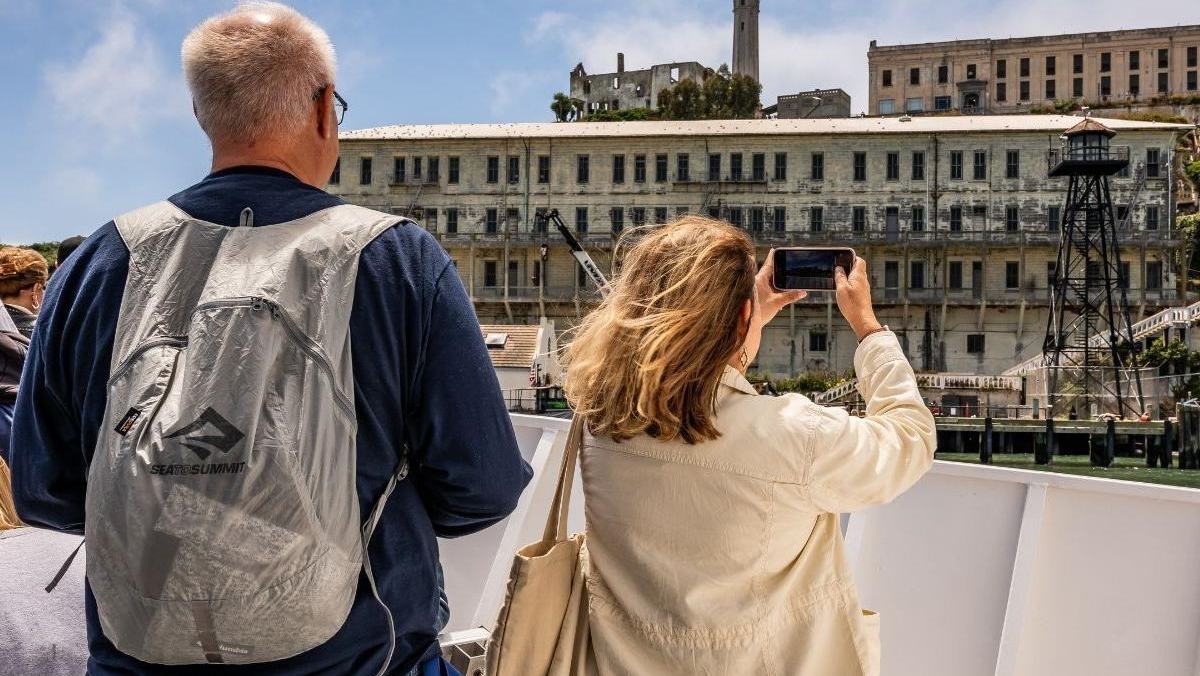
Alcatraz Island rises out of San Francisco Bay with a complicated history that extends far beyond its years as a federal prison. Yet before visitors reach the island's exhibitions or restored spaces, they must take a short passenger ferry from the city's waterfront. That crossing makes the location tangible, offering views of the harbour and the historic buildings as the boat approaches the landing.
The National Park Service states that the only authorised ferry operator serving Alcatraz is Alcatraz City Cruises. Boats leave from Pier 33 on the Embarcadero, near Bay Street, and private craft cannot dock at the island. This is an essential distinction for tourists who arrive on their own yacht or harbour vessel: seeing Alcatraz from the water does not provide a way to disembark and visit.
Because ferry tickets regularly sell out, a visit is best organised before travel dates are fixed. The official ticket includes ferry transport and the cellhouse audio tour, while there is no separate national park entrance fee. Purchasers should use the authorised provider rather than assume that any San Francisco sightseeing boat includes access to the island itself.
Planning the departure from Pier 33
Pier 33 sits close to the Fisherman's Wharf district, but the National Park Service recommends public transport over trying to find convenient street parking. The historic Muni F Line serves the Embarcadero and passes the ferry landing. Visitors arriving by car should investigate nearby commercial parking and the amount of time they can legally leave a vehicle before purchasing a ferry departure.
Arriving early also creates time to locate the proper queue and check the ticket instructions. The booking process may involve selected departure times, security procedures and conditions for different tour types. A visitor who reaches the waterfront only minutes before sailing may lose the opportunity to board, particularly on busy weekends or during popular travel seasons.
Take account of the return journey as well as the outward sailing. The National Park Service advises allowing at least two or three hours for the island, and an evening experience follows a different programme from a daytime visit. Those hoping to fit Alcatraz between two other appointments should build in realistic time for walking, the cellhouse and the return boat rather than scheduling a tightly timed transfer.
Understanding the island experience
Alcatraz is more than a dramatic building. The island's layered past includes coastal military defences, its years as a federal penitentiary and the American Indian occupation beginning in 1969. The exhibitions and interpretive material bring these different periods into the visitor experience. Understanding that wider history gives the water crossing a deeper meaning than simply taking photographs of the prison walls.
The included audio tour guides visitors through the cellhouse and is available in a number of languages. Ranger programmes and temporary exhibitions may be offered during a visit, depending on staffing and the schedule. Visitors should listen to the orientation on arrival, rather than assuming all activities are available throughout the day without timing constraints.
Walking conditions matter because the route from the dock to the principal historic buildings involves an uphill climb. The park publishes accessibility information, including assistance for eligible visitors. Anyone with mobility concerns should review those arrangements before booking rather than assuming that a short boat journey means the island itself will be easy to navigate.
Day or evening: two different moods
A daytime ferry suits people who want broad views over San Francisco Bay, enough light to explore outdoor spaces and flexibility to see several exhibitions. The National Park Service describes frequent return services during normal operations, although visitors should check the schedule for their date. The island can be surprisingly exposed, so even sunny conditions on shore do not guarantee warmth or shelter.
Evening tours offer a more structured experience, with additional interpretation and a different atmosphere as the city lights emerge across the water. Certain areas may be closed in the evening for safety or operational reasons. A visitor selecting this option should understand it is not simply an ordinary day tour booked at a later time, and should read the current product description carefully.
Neither option is automatically better. Families with young children may prefer the greater daylight and predictable rhythm of an earlier trip, while history enthusiasts may value the additional evening programme. Weather, travel dates and available tickets will often decide which option is realistic. Booking the experience that fits the whole itinerary is more sensible than chasing a particular photograph.
Weather, food and the return ferry
The park warns that the island's weather can change quickly, with cold and windy conditions even when San Francisco appears pleasant from the city. Layers, comfortable walking shoes and a practical waterproof outer garment are sensible choices. Visitors should also avoid relying on summer temperatures alone, because wind and fog can alter conditions significantly during the ferry crossing.
There is no conventional food service on the island, so the National Park Service recommends planning accordingly. Restrictions also apply to where food may be eaten, and visitors must follow posted rules intended to protect the site. A meal before or after the crossing is usually the simplest approach, especially for those travelling with children or anyone who may need a predictable break.
Alcatraz rewards visitors who regard the ferry, the island landscape and the complicated history as one experience. Choose the authorised Pier 33 service, allow enough time to explore without rushing and check current availability and rules before departure. That preparation turns a brief harbour crossing into a considered day of learning rather than a hurried stop on a waterfront itinerary.